
Amdro Products
With nearly 40 years of experience, you can count on Amdro for highly effective solutions to your pest control needs.-
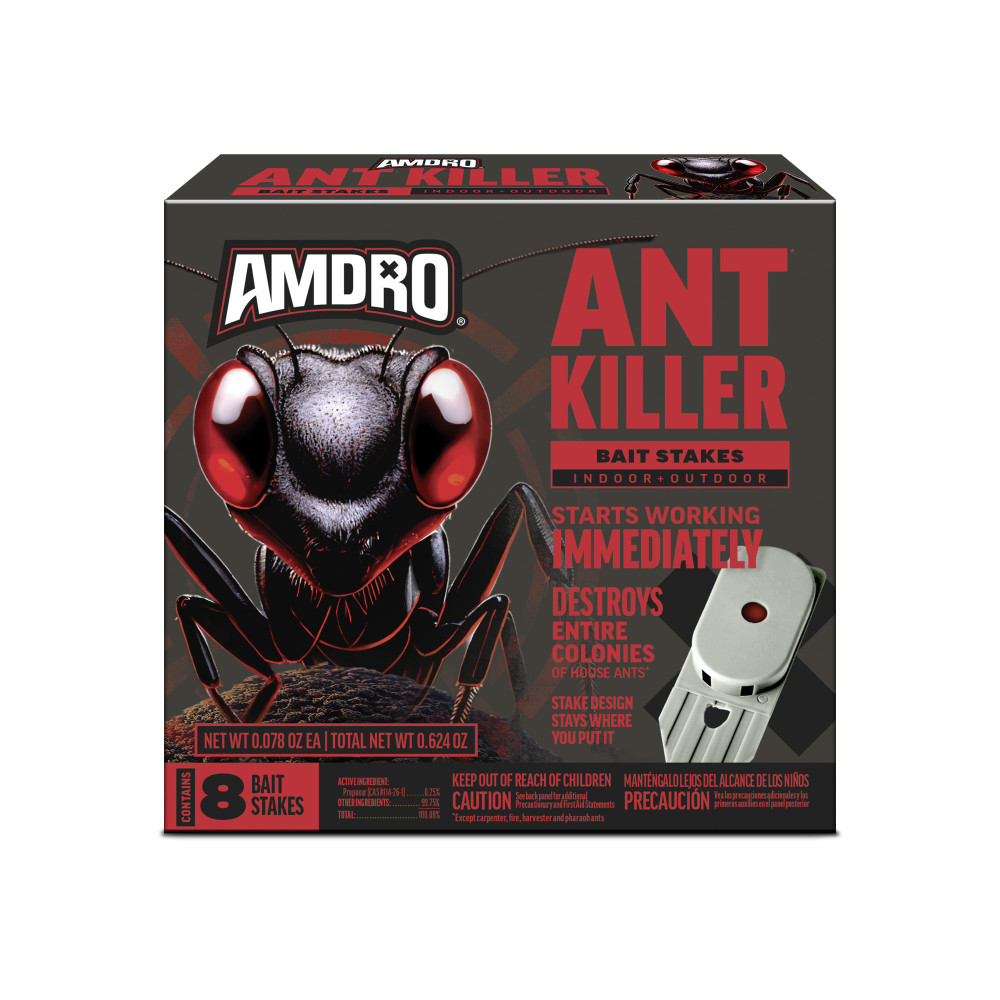
Amdro® Ant Killer Bait Stakes
Eliminate entire ant colonies with the new Amdro Ant Killer Bait Stakes.
-
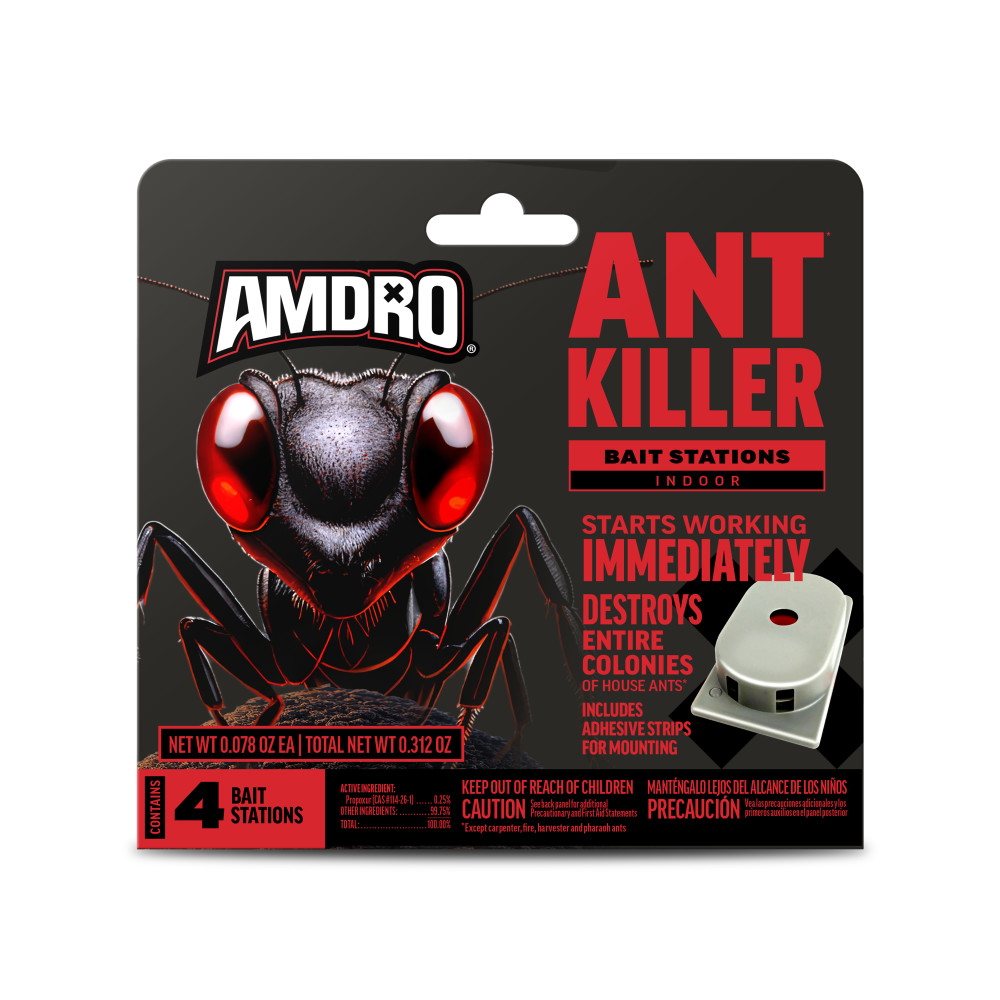
Amdro® Ant Killer Bait Stations
Eliminate entire ant colonies with the new Amdro Ant Killing Bait.
-

Amdro® Ant Killer for Outdoor Home Perimeter
Amdro Ant Killer for Outdoor Home Perimeter kills ants outside so they can't come inside.
-
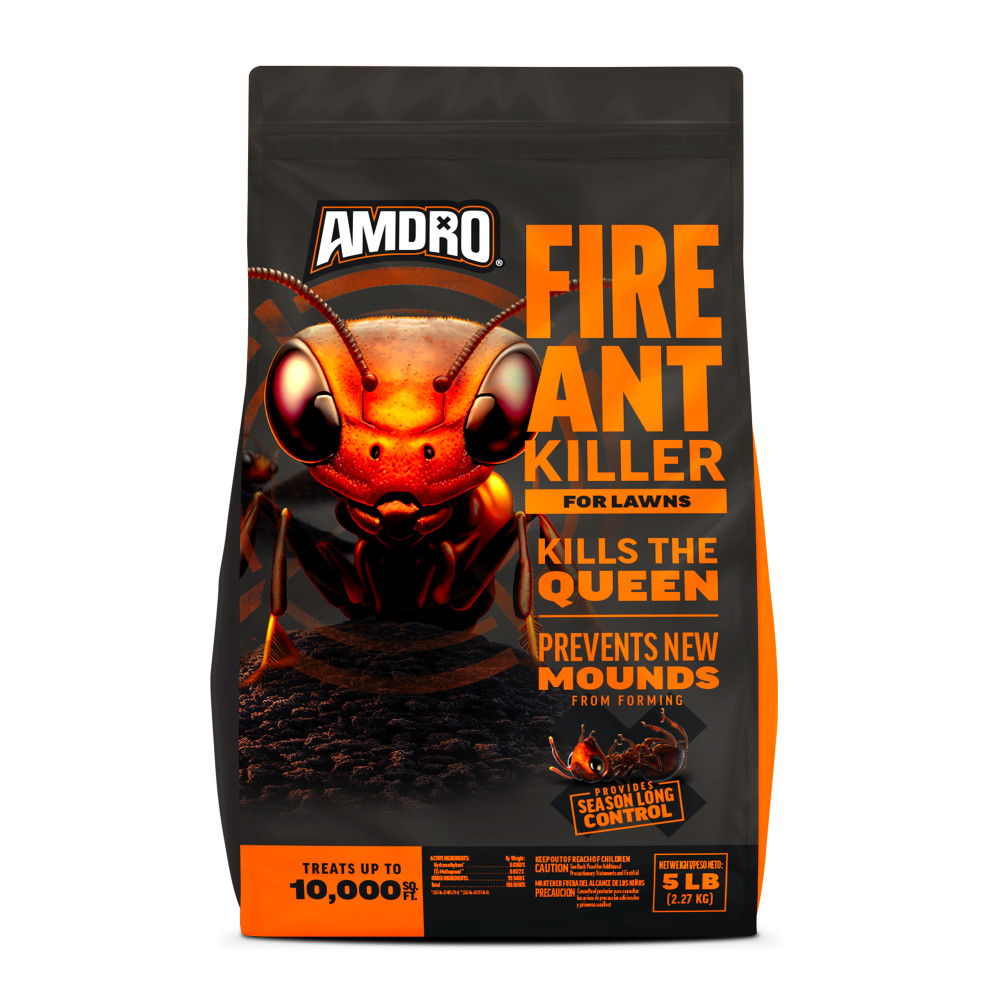
Amdro® Fire Ant Killer for Lawns
Made for broadcast application, this product lasts all season and a 5 lb. bag covers up to 10,000 square feet.
-
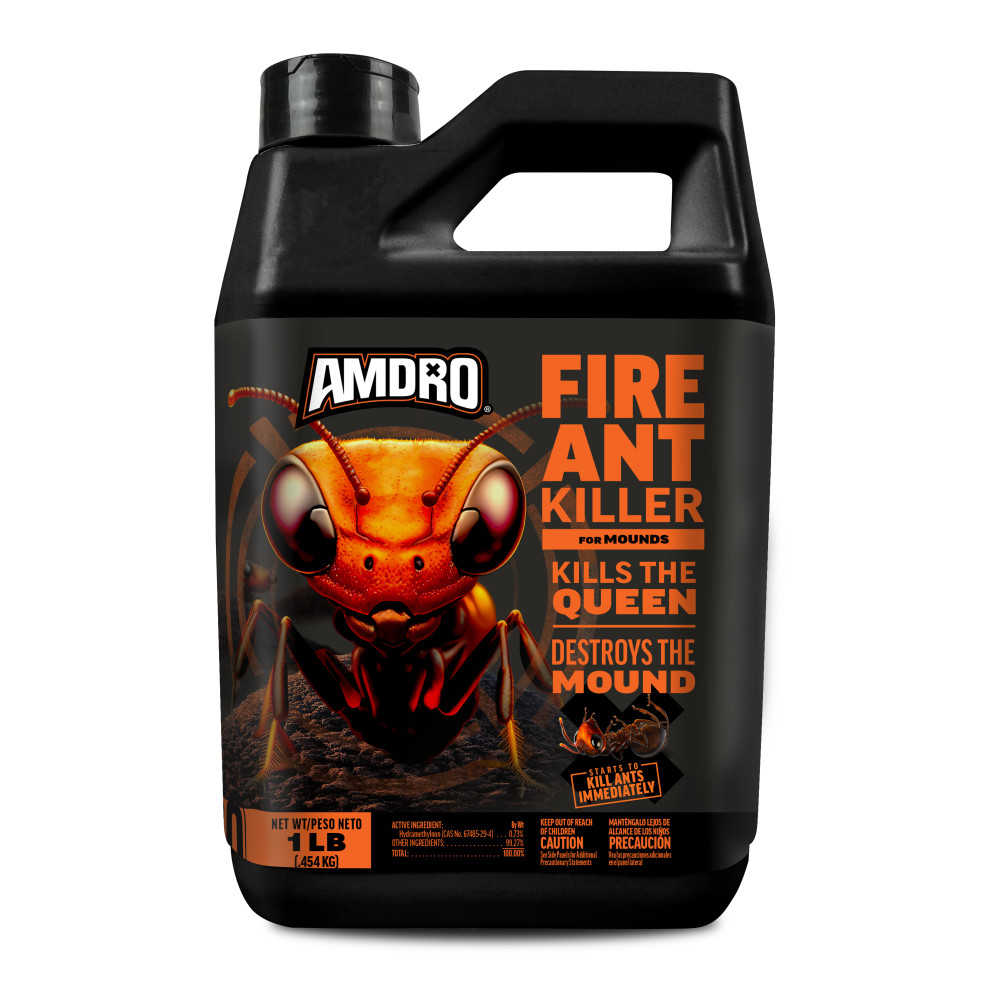
Amdro® Fire Ant Killer for Mounds
Fire ants think Amdro Fire Ant Killer for Mounds is food, so they take it back to the colony to share, destroying mounds within two weeks of application.
-
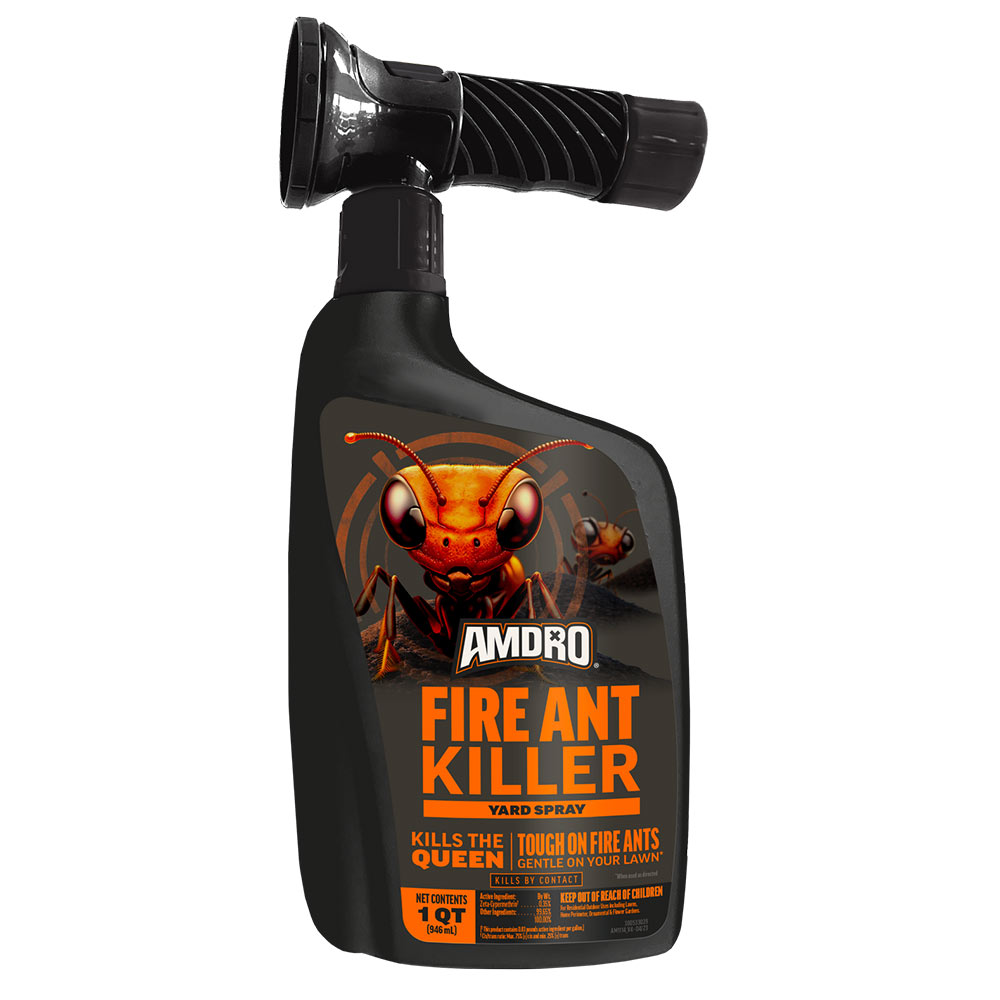
Amdro® Fire Ant Killer Yard Spray
Kills fire ants by contact; kills visible and hidden mounds and prevents new mounds from forming.
-

Amdro® Gopher Gasser
Reclaim your lawn from destructive animal pests with the Amdro Gopher Gasser.
-

Amdro Mole & Gopher Bait
This pelletized bait is highly effective and easy-to-apply with the convenient shaker canister.
