
Carpet Beetles

Popular Products
CARPET BEETLES IDENTIFICATION
Tiny adult carpet beetles — only 1/16" to 1/8" long — have a somewhat rounded shape, with a compact head-thorax-abdomen body structure similar to a ladybug. The head is often tucked behind the thorax, creating an even more circular shape. Carpet beetles are generally a mixture of tan, white and black in vaguely striped patterns. Adults feed on flower nectar and pollen and don't pose a threat to humans. Carpet beetle larvae are larger than adult carpet beetles, about ¼”. The larvae look like short caterpillars and are often reddish-brown, covered in stiff hairs. These hairs can cause skin irritation or rash if direct contact is made.
Beetles are an extremely populous group of insects, representing one-third of known insect species, and range from troublesome to beneficial. Carpet beetles exist in a kind of middle-ground: both helpful and problematic. In nature, carpet beetle larvae can serve useful roles, consuming and breaking down organic matter. But they can be destructive inside your home. The larvae seek keratin, the building block of organic materials like hair and nails. As a result, carpet beetle larvae may damage household items made of certain organic materials such as wool, leather, fur, feathers, silk and items made of felt. They are named carpet beetles because, historically, the larvae often consumed vintage carpets, which tended to be constructed of organic materials. Today, with many carpets composed of synthetic fibers, this is much less of an issue, but carpet beetle larvae still very commonly invade, damage and leave holes in blankets, curtains, books, quilts and clothing constructed of their preferred fibers.
Some species of carpet beetles that cause particular problems for homeowners:
- Varied carpet beetle — This species' larvae can exist in the larval stage for close to two years. Mature adults of this species are small (1/10") and often have scales of white, brown and black in a zig-zag pattern.
- Furniture carpet beetle — Mottled brown appearance or sometimes all black, with a white underside. Larvae live for a shorter time than other carpet beetle species, but are still potentially destructive for three months.
- Black carpet beetle — Slightly larger than the other species, black carpet beetle larvae may also attempt to consume dry goods in addition to fibers.
- Common carpet beetle — Similar in size to the varied and furniture carpet beetles, the common carpet beetle has a bright orange center stripe on its back.
SIGNS OF CARPET BEETLES
Adult carpet beetles aren’t destructive and generally don’t leave signs of their presence. But if you have a larva infestation, you may find signs of chewing. In particular, the larvae thrive in quiet, dark places left undisturbed for long periods. If you see irregular holes, tunnel patterns, frayed fibers or larvae skins in stored blankets or garments, it’s a good indication you have carpet beetle trouble. You might also see signs of chewing on rugs or furniture that you use regularly.
HOW TO CONTROL CARPET BEETLES
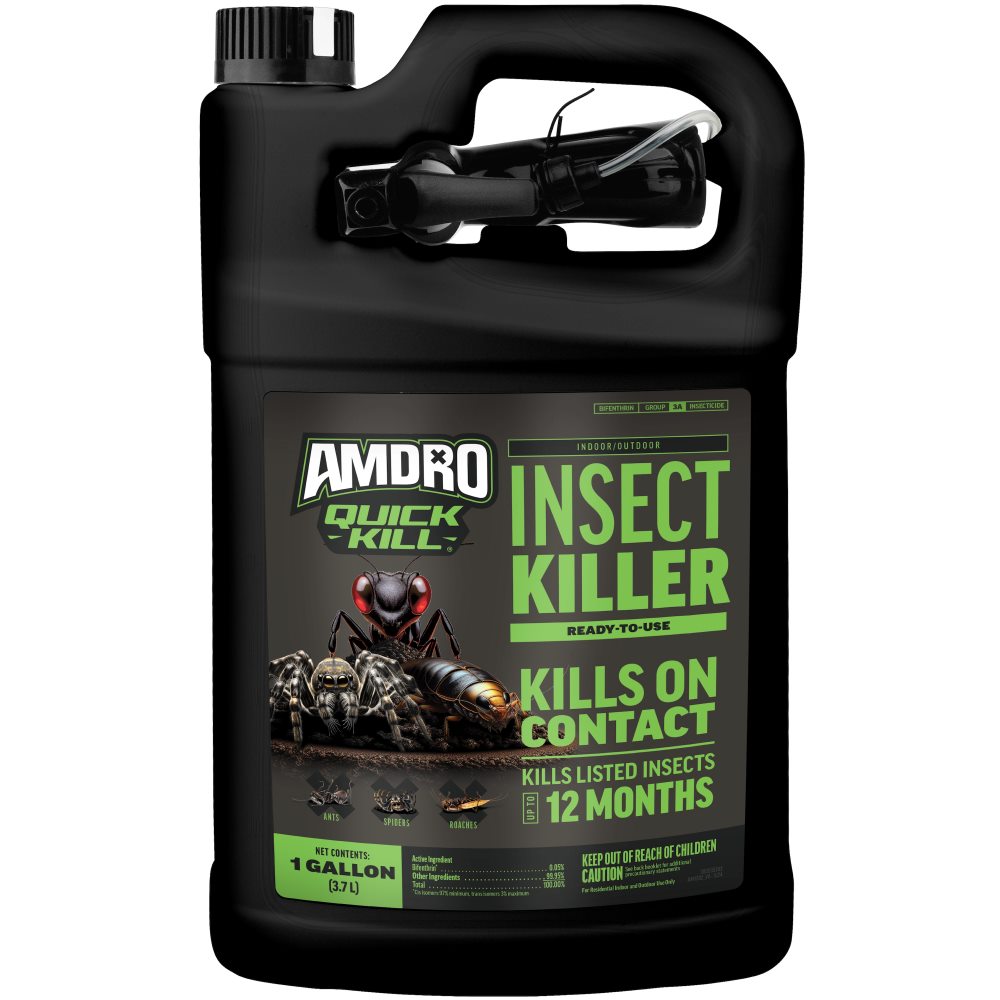
Washing already-affected garments can help control existing larvae, and vacuuming is another effective method for reducing numbers. For additional pest control and prevention, Amdro® brand offers an excellent spray product:
- Amdro Quick Kill® Indoor/Outdoor Insect Killer Ready-to-Use is a convenient spray that can be used indoors to target carpet beetle adults in your home. The application couldn’t be simpler; no mixing is needed — just open and use around windows, trim, baseboard, cracks and similar areas. People and pets can reenter the treated area once the spray dries. Outdoors, the spray can be used around doorways, windows and foundations to help stop carpet beetles (and other listed insects) from entering the home in the first place.
CARPET BEETLE TIPS
Store valued susceptible items in sealed plastic bags or totes to prevent carpet beetle access. You can also use spray to target regions of the home where carpet beetles may try to find a way inside.
Always read product labels and follow the instructions carefully.
Amdro, Amdro Quick Kill are registered trademarks of Central Garden & Pet Company.
Pest Gallery
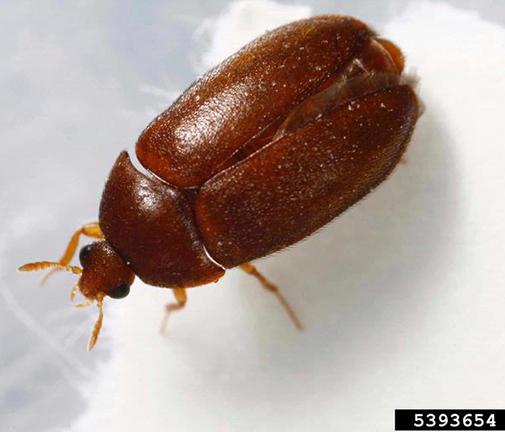
Photo credit: Joseph Berger, Bugwood.org
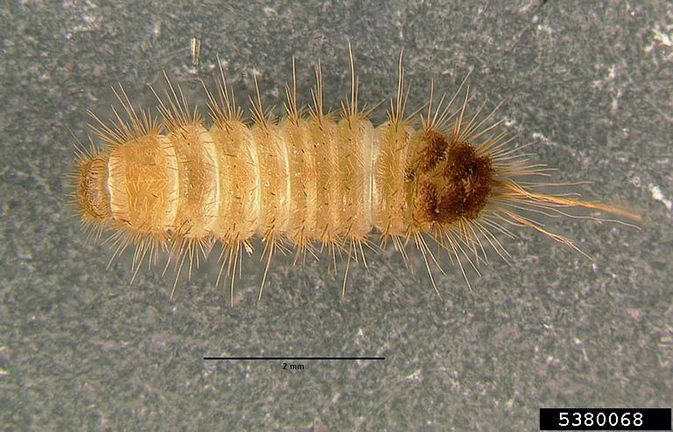
Photo credit: Gary Alpert, Harvard University, Bugwood.org
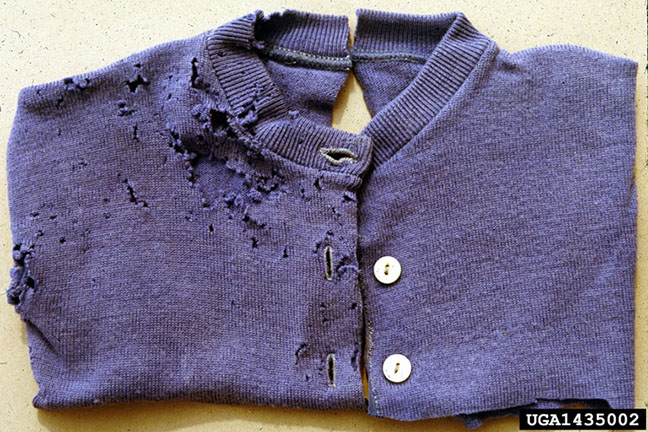
Photo credit: Clemson University - USDA Cooperative Extension Slide Series, Bugwood.org
Photo credit: Ryan Jones, Colonial Williamsburg Foundation, Bugwood.org
Is this not your insect?
