
SPRINGTAIL IDENTIFICATION
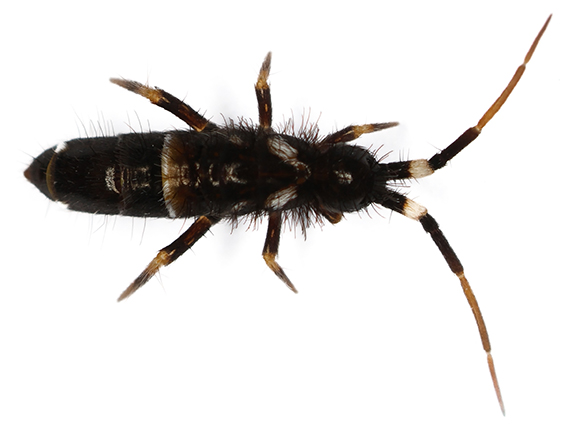
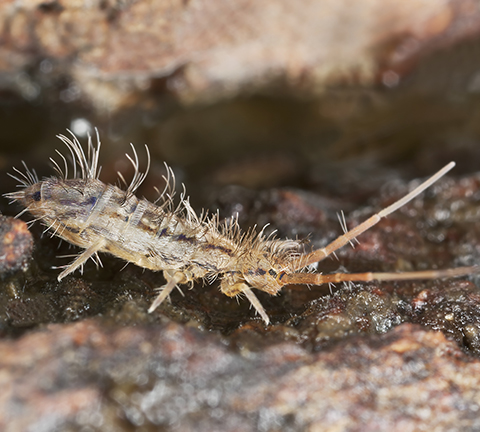
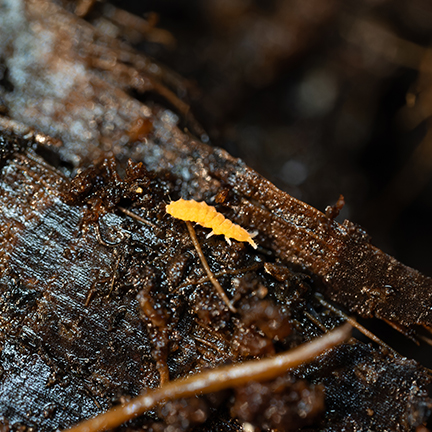
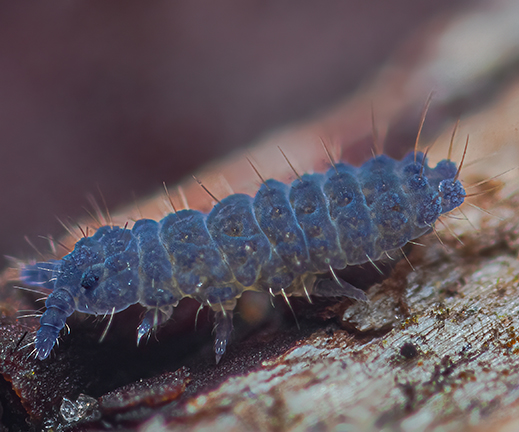
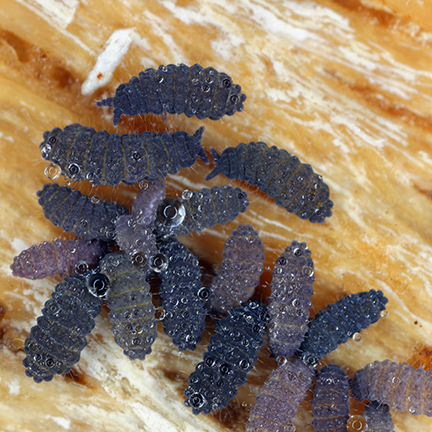
Springtails are often compared to fleas, but they're actually not insects at all. Instead, springtails belong to the related but separate class, Collembola. The minuscule springtails generally measure less than 1/8-inch long. Like insects, springtails have six legs and a body composed of a head, thorax and abdomen. Even though they have exoskeletons, springtails are somewhat soft-bodied and easily susceptible to damage. Unlike insects, springtails are wingless, and they possess a tail-like structure called a furcula that is typically tucked under their bodies. At a moment’s notice, the springtail can snap open this forked tail, propelling it away at rapid speed, hence the name springtail. Many springtails have elongated body shapes, while others are more oval. They can be found in a range of colors, mostly dark, but occasionally red, blue or light in color. Springtails do perform an important work outdoors: They consume decaying organic matter, fungi and bacteria, which helps break down these materials.
The class Collembola contains over 8,000 species. A few often-seen springtails that may invade the home include:
- Garden springtail — Often chews young squash, cucumber and bean plants in the garden, but may find its way indoors seeking damp areas like other springtails.
- Snow flea — Not a flea but a type of springtail that can jump several inches and is often seen on the snow.
- Globular springtail — Aptly named after its spherical body shape, this springtail is also attracted to wooded locations, though it may find its way inside your home for the same reasons as the others — in search of moist, hidden locations.
SIGNS OF SPRINGTAILS
Springtails don’t fly, won’t bite or sting, and aren’t poisonous or venomous. Springtails won’t damage your home or harm people or pets. As a result, the only sign or inconvenience you’ll experience from springtails is their visual presence.
Springtails thrive in moist conditions. Outdoors, they love leaf litter and mulch, as well as woodsy areas with damp, shady soils. Because of these preferences, springtails are unlikely to be found inside the dry, low-humidity environment of your living room or bedroom. But some of the more humid or slightly damp locations in the home, like basements, crawlspaces, bathrooms or under the kitchen sink, might attract springtails. They also love to hide around the soil of potted houseplants (again, because they’re looking for moisture). If you see springtails, it’s a sign you may have moisture issues in your house.
HOW TO CONTROL SPRINGTAILS
If you want to try to control springtails outdoors before they invade your home, Amdro brand has several solutions:
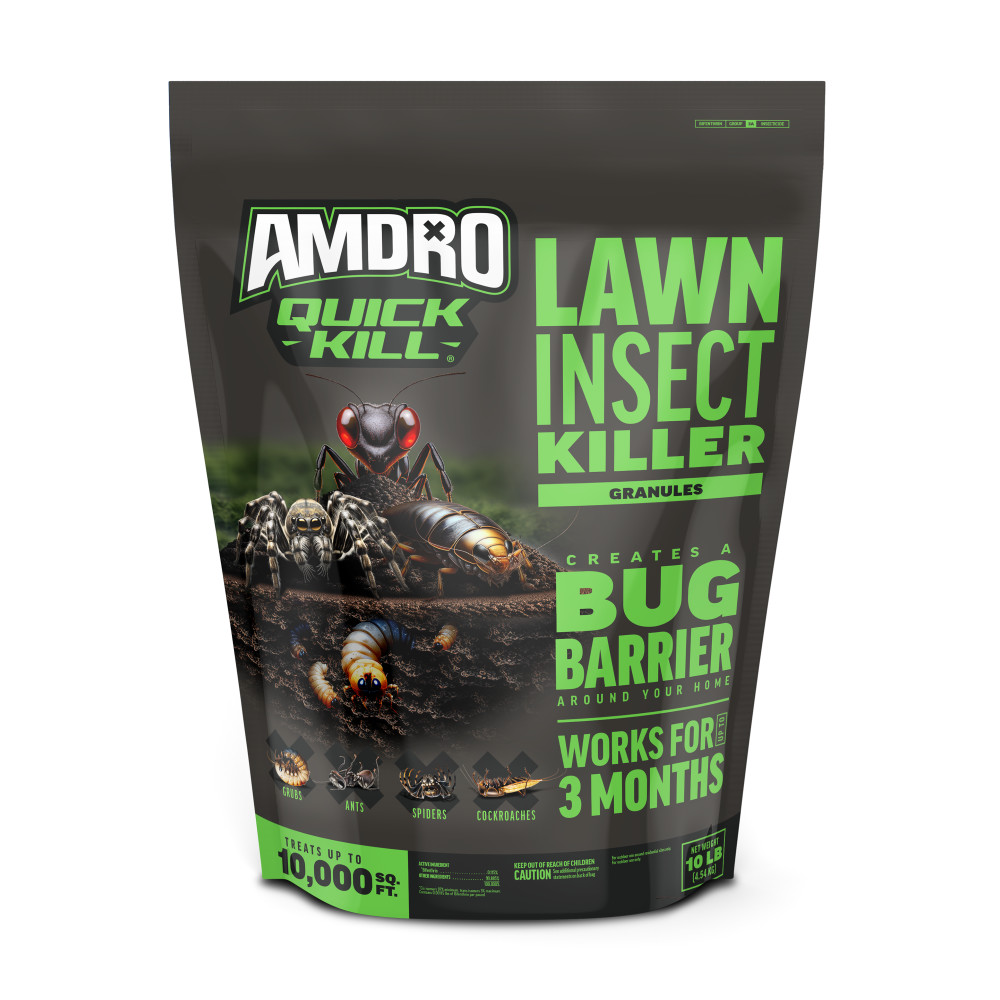
- Amdro Quick Kill Lawn Insect Killer Granules are applied with a standard lawn spreader and kill pests like springtails and chinch bugs within 24 hours. The product keeps working for up to three months. After application, lightly water the treated area to release the active ingredient and reach adults and nymphs.
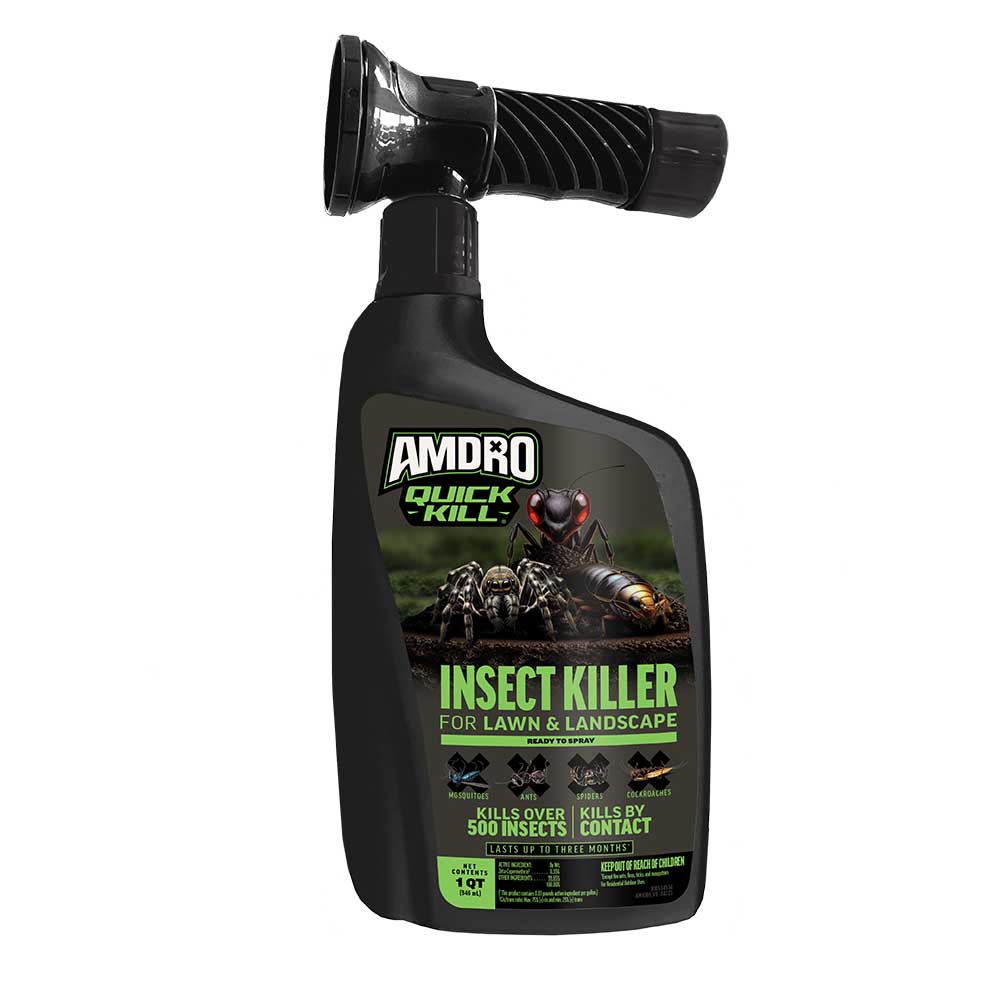
- Amdro Quick Kill Insect Killer for Lawn & Landscape Ready to Spray attaches to a regular garden hose and makes it easy to treat your lawn, foundation plantings and flower gardens. The container automatically measures and mixes as you spray. Cover all lawn and landscape surfaces thoroughly to kill springtails and scale insects by contact.
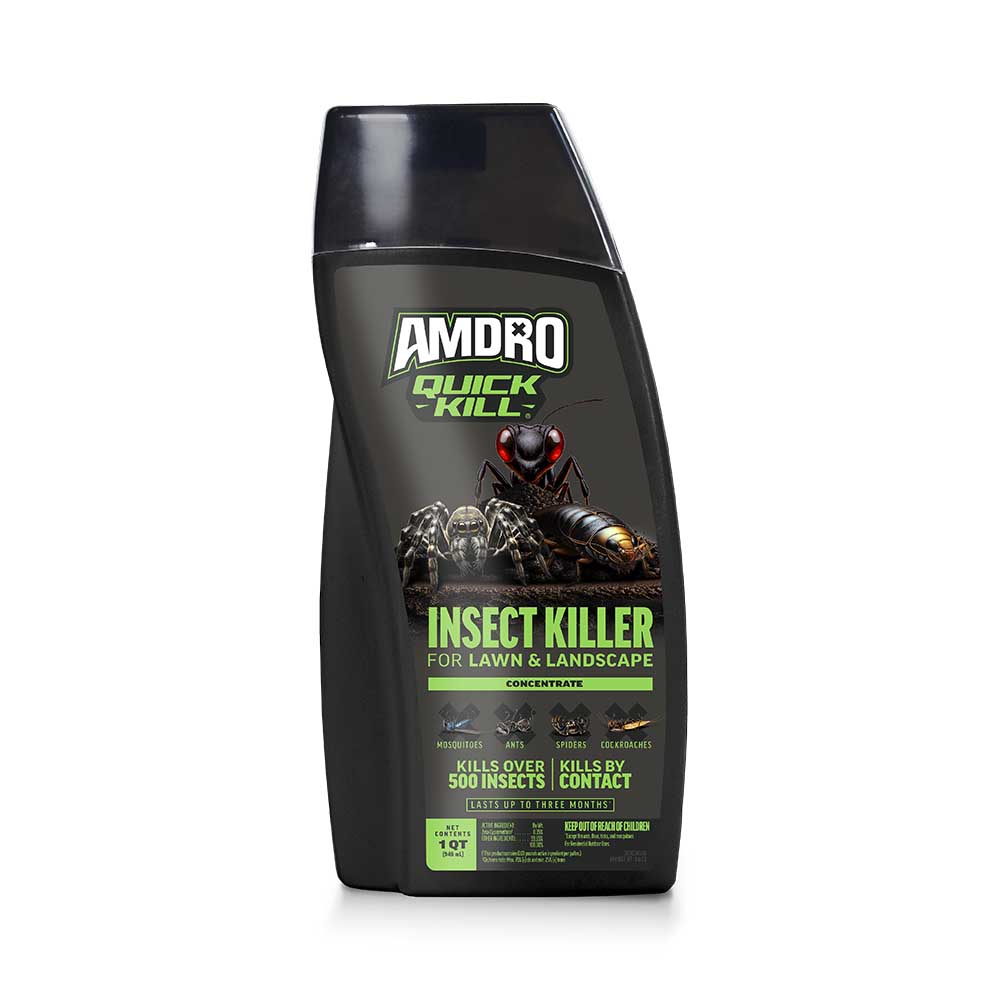
- Amdro Quick Kill Insect Killer for Lawn & Landscape Concentrate is designed for use with a pump-style sprayer and comes with a convenient measuring cap, making it easy to get just the right amount of concentrate for the task. Simply dilute the product according to label instructions and then spray your target areas in your lawn and landscape thoroughly to kill springtails by contact in minutes.
SPRINGTAIL CONTROL TIPS
Yard maintenance and humidity control can help keep your home from becoming an attractive environment to springtails. Keep basements dry with dehumidifiers, maintain weather sealing around windows and doors, fix leaks and drips and don't overwater houseplants. Outdoors, pick up and dispose of any leaf, pine needle or brush piles in your yard. Keep the foundation of your home clear of leaf litter, lawn clippings and similar organic debris. Regular maintenance and moisture control will reduce hideouts and feeding areas for springtails.
Always read product labels and follow the instructions carefully.
Amdro and Amdro Quick Kill are registered trademarks of Central Garden & Pet Company.
Pest Gallery
Related Articles
Is this not your insect?
