Pest Alert: Lone Star Ticks and Alpha-gal Syndrome
Ticks are more than just a nuisance. They can carry pathogens, including viruses, bacteria, and parasites that cause diseases. One tick getting more attention today is the lone star tick. This aggressive pest is spreading across many parts of the United States.
A bite from this tick can transmit the virus that causes Alpha-gal Syndrome, a red meat allergy that develops in a unique way. Understanding how it happens and where these ticks live can help you stay protected.
- What Are Lone Star Ticks?
- Where Are Lone Star Ticks Found in the United States?
- What Is Alpha-gal Syndrome?
- How Do You Get Alpha-gal Syndrome?
- Why Is the Reaction Delayed?
- Alpha-gal Syndrome Symptoms
- Why Lone Star Ticks Are a Growing Problem
- How to Control Ticks in Your Yard
- How to Protect Yourself from Tick Bites
What Are Lone Star Ticks?
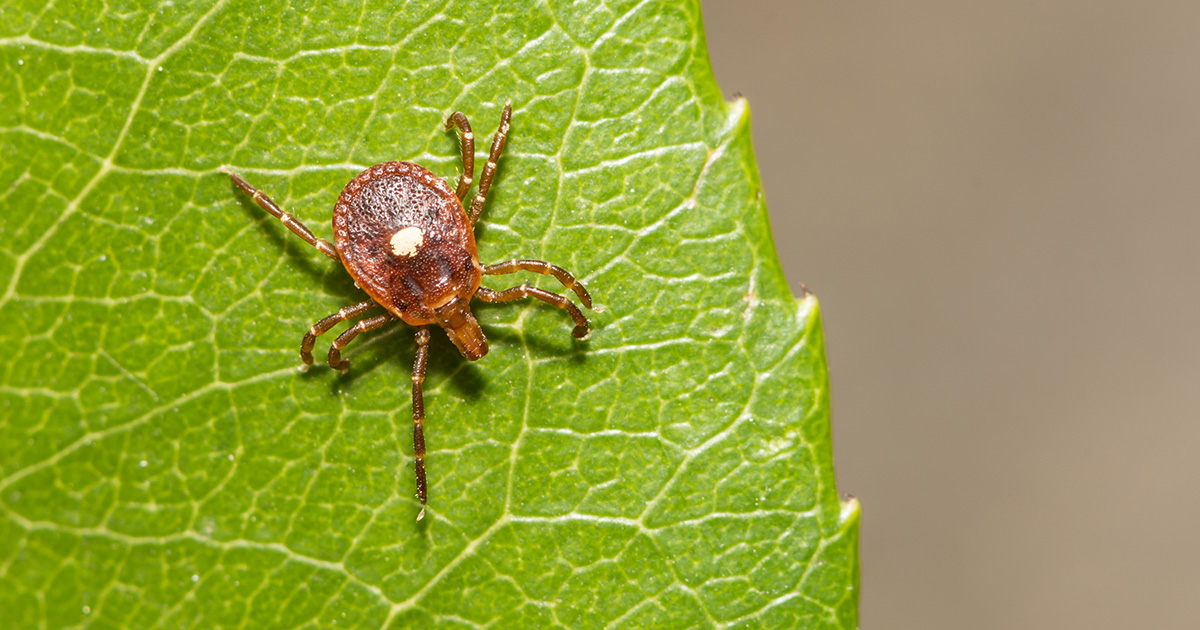
Lone star ticks are easy to recognize. Adult females have a single white dot on their back. Males do not have the dot, but they can still bite⁴. Understanding the types of ticks found in your area can help you take the right prevention steps. Read more in Get to Know Your Backyard Ticks.
Lone star ticks are aggressive and actively seek out people and pets⁴. They are commonly found in:
- Tall grass
- Brushy areas
- Wooded edges
- Shady, moist yards

Lone star ticks thrive in tall grass, wooded edges, and shaded outdoor areas.
Where Are Lone Star Ticks Found in the United States?
Lone star ticks are most common in the eastern, southeastern, and south-central United States¹,².
They are especially common in states like:
- Virginia
- North Carolina
- Tennessee
- Arkansas
- Oklahoma
- Missouri⁵
As temperatures rise and wildlife populations grow, these ticks continue spreading into new areas³.
What Is Alpha-gal Syndrome?
Alpha-gal Syndrome (AGS) is a food allergy triggered by an immune response to the alpha-gal sugar molecule that can be transmitted to the body through a tick bite¹. It causes reactions to red meat and other products made from mammals.
Unlike most food allergies, AGS symptoms are delayed and can be harder to identify.
How Do You Get Alpha-gal Syndrome?
Alpha-gal Syndrome happens in two steps:
Step 1: Tick bite
A lone star tick bite introduces a sugar called alpha-gal into your body. Your immune system may become sensitive to it¹.
Step 2: Eating red meat later
Foods like beef, pork, lamb, and venison contain alpha-gal. Your body may react when you eat them⁴.
This is why AGS is often called a tick bite red meat allergy.
Why Is the Reaction Delayed?
Most food allergies happen right away. Alpha-gal Syndrome is different. Symptoms usually appear 3 to 6 hours after eating red meat¹.
This delay happens because:
- Alpha-gal is found in fat
- Fat takes longer for your body to digest
- The allergen enters your bloodstream slowly
Once enough builds up, your immune system reacts³.
Alpha-gal Syndrome Symptoms
Symptoms can range from mild to severe and may include:
- Hives or itchy skin
- Stomach pain
- Nausea or vomiting
- Diarrhea
- Swelling of the lips, face, or throat
- Trouble breathing
Severe reactions can be life-threatening and require immediate medical care¹.

Controlling ticks in your yard helps reduce the risk of bites.
Why Lone Star Ticks Are a Growing Problem
Lone star ticks are expanding into new regions, increasing the areas of the United States where they may be able to transmit Alpha-gal Syndrome ¹,². Learn more about common tick-borne illnesses and prevention tips in Ticks and Tick-Borne Disease Prevention.
Not every bite causes AGS, but repeated bites may increase your risk⁵.
How to Control Ticks in Your Yard
Controlling ticks in your yard is one of the best ways to help reduce tick activity and limit exposure.
Simple yard tips:
- Keep grass cut short
- Remove leaves and debris
- Trim shrubs and branches
- Use mulch or gravel barriers
- Keep play areas away from brush
Use Proven Tick Control Products
Amdro products offer solutions to help control ticks and other listed pests:
- Amdro Tick Killer Yard Spray kills ticks and other listed pests on lawns and outdoor surfaces. This no-mix spray is easy to apply, and treated areas can be re-entered once dry.
- Amdro Quick Kill Insect Killer Granules for Home Perimeter kills ticks by contact and creates a protective barrier for up to three months.
- Amdro Quick Kill Lawn Insect Killer Granules provides full-lawn coverage and tick control.
- Amdro Quick Kill Insect Killer for Lawn & Landscape Ready To Spray and Concentrate kill ticks and over 500 pests on contact.
How to Protect Yourself from Tick Bites
- Wear long sleeves and pants
- Use insect repellent
- Check your body and pets after being outside
- Shower after outdoor activity
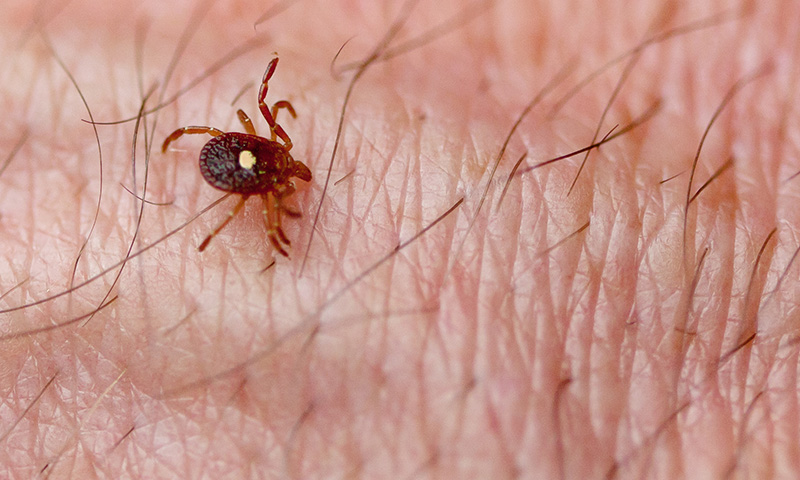
Checking your skin after outdoor activity helps catch ticks early and reduce risk of bites.
Key Takeaway
To get Alpha-gal Syndrome, you must first be bitten by a lone star tick that transmits alpha-gal molecules in their saliva to the human body and can trigger an immune response. Then, eating red meat later can trigger a delayed allergic reaction.
Controlling ticks in your yard is one of the best ways to reduce your risk.
Sources:
- Centers for Disease Control and Prevention, “About Alpha-gal Syndrome.”
https://www.cdc.gov/alpha-gal-syndrome/about/index.html - Centers for Disease Control and Prevention, “Lone Star Tick Surveillance and Distribution.”
https://www.cdc.gov/ticks/data-research/facts-stats/lone-star-tick-surveillance.html - Stony Brook Medicine, “Alpha-gal Syndrome: Tick-Borne Red Meat Allergy.”
https://health.stonybrookmedicine.edu/alpha-gal-syndrome-tick-borne-red-meat-allergy/ - Mayo Clinic, “Alpha-gal Syndrome – Symptoms and Causes.”
https://www.mayoclinic.org/diseases-conditions/alpha-gal-syndrome/symptoms-causes/syc-20428608 - Allergy & Asthma Network, “Alpha-gal Syndrome and Meat Allergy.”
https://allergyasthmanetwork.org/food-allergies/alpha-gal-syndrome-and-meat-allergy/
-
Frequently Asked Questions
Do you have to be bitten by a tick to get Alpha-gal Syndrome?Yes. The condition starts with a tick bite¹. -
Why does Alpha-gal Syndrome cause delayed symptoms?Because the allergen is tied to fat, which digests slowly³.
-
Where are lone star ticks most common?They are most common in the eastern and southern United States¹,³.