
Clover Mites

Popular Products
CLOVER MITE IDENTIFICATION
Clover mites are a minuscule 1/32" long — half the length of the smallest mark on a typical tape measure. Despite their tiny size, they’re easy to notice because of their reddish-brown or green color. Like other mites, clover mites are arachnids (like spiders), so they have two body segments: a rather rounded, larger main body, and a smaller, round head. Clover mites have eight legs, but the front two legs are extremely long. This gives clover mites a more insect-like appearance, as the long front legs can be mistaken for antennae, leaving what appear to be six legs. Clover mite larvae, on the other hand, have six legs.
Clover mites are often confused with chiggers. Chiggers are much smaller and bite humans. Clover mites feed only on plant material, and they don't bite. Clover mites aren't poisonous or venomous. However, clover mites do leave tiny red spots on any object if crushed. Other than that, clover mites do no damage inside the home. Clover mite adults lay about 70 eggs in the fall that hatch the next spring (sometimes they have a second egg-laying period as well).
Young clover mites sometimes find their way inside through home foundations, cracks/drafts, and around windows and doors. Clover mites are well-known for creating alarming-looking home “invasions,” where a sudden influx may enter a home rapidly. It’s important to remember that, while unpleasant to observe, clover mites are basically harmless indoors and will naturally go dormant when not in their active seasons. Clover mites are most active in the spring and fall.
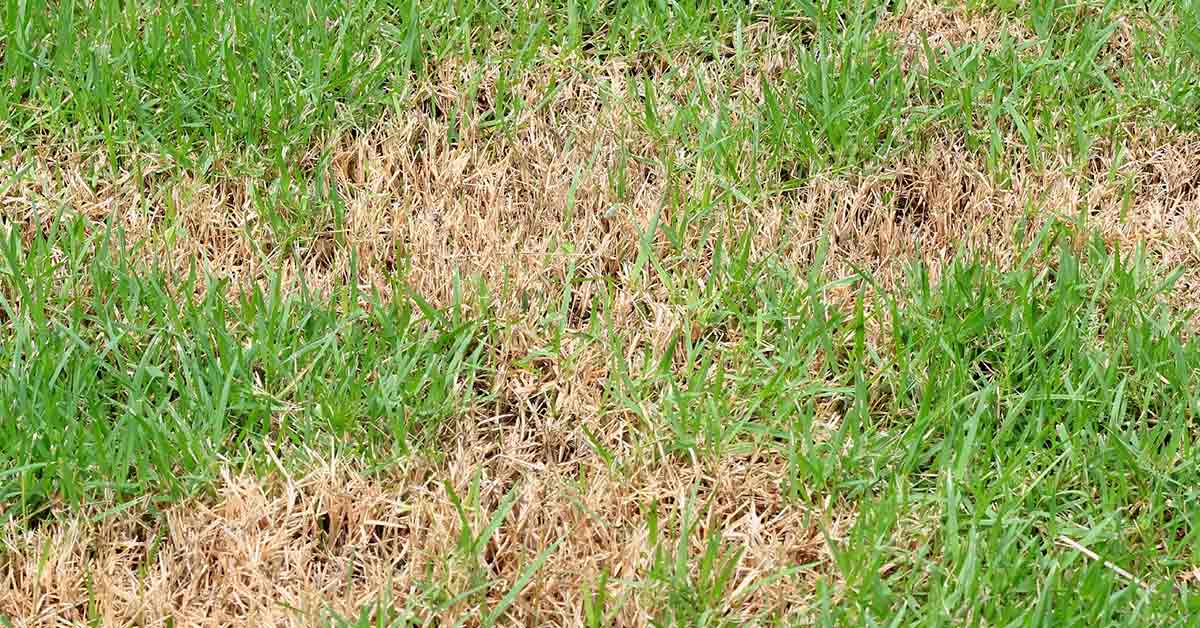
Clover mites do cause problems outdoors in the lawn. They feed on the sap of clover and grass, dehydrating the lawn and reducing chlorophyll, resulting in unsightly weak and brown patches in the yard. There is only one species of clover mite: Bryobia praetiosa.
SIGNS OF CLOVER MITES
Clover mites have a solitary life cycle, but large numbers of them may appear in areas where conditions are optimal. They seek out sunny areas and the sunny sides of homes. Clover mites leave tiny visible red marks wherever they go, and these might accumulate on windows and walls. If a clover mite is accidentally squashed, it will also leave a red mark, so take care when removing them from your home.
Outdoors, clover mites may appear on the exteriors of buildings, but the most visible signs are the damage they can cause to lawns. Large populations can be highly detrimental to turfgrass and clover, hence the name clover mites. Clover mite lawn damage creates streaks or patches of dead grass, often only a few feet from a tree or structure, since clover mites require a climbing surface as well as vegetation to thrive.HOW TO CONTROL CLOVER MITES
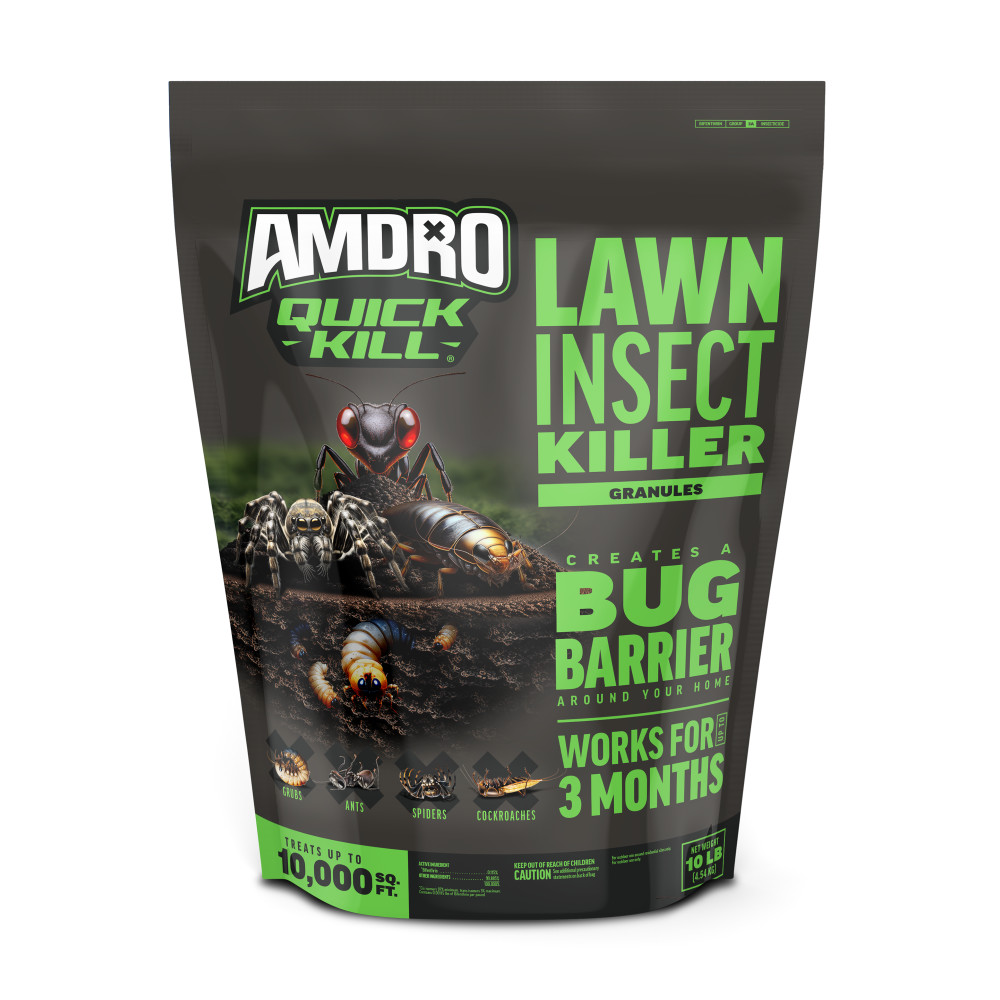
Effective clover mite control starts by stopping clover mites before they get inside your home and using effective products to kill the clover mites you see as well as those you don't see. Amdro brand offers a highly effective clover mite control product to put an end to these disruptive pests:
- Amdro Quick Kill Lawn Insect Killer Granules is applied with a standard lawn spreader and can kill pests like clover mites, springtails and chinch bugs within 24 hours. After application, lightly water the treated area to release the active ingredient and reach adults and larvae. The product keeps working for up to three months to help provide control throughout the clover mites' active season.
CLOVER MITE CONTROL TIPS
It’s best to try and stop clover mites outside the home, where control is easier and more effective. A combination of physical deterrents (eliminating vegetation near the home and a soil border) along with pesticide treatment can help greatly.
Indoors, vacuuming can be highly beneficial during a spring or fall clover mite invasion. Gentle wiping with a wet sponge can also work for small numbers. In either case, be careful not to crush the clover mites, or you’ll create even more red spots on surfaces.
Outdoors, consider creating a 24” perimeter of soil with no turfgrass or other vegetation within it. Clover mites will likely avoid crossing a region without edible vegetation, and they won’t reach your home this way. A border of diatomaceous earth is another possibility. If this task seems too large, concentrate most of your efforts on the southern (sunny) side of the home. Keep seals and screens in good repair, as well as foundation cracks.
Always read product labels and follow the instructions carefully.
Amdro, Amdro Quick Kill are registered trademarks of Central Garden & Pet Company.
Pest Gallery
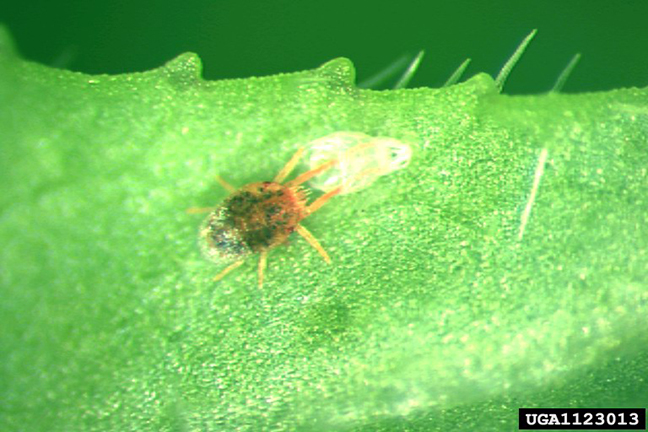
Photo credit: Rayanne Lehman, Pennsylvania Department of Agriculture,
Bugwood.org (CC-BY-3.0 US)
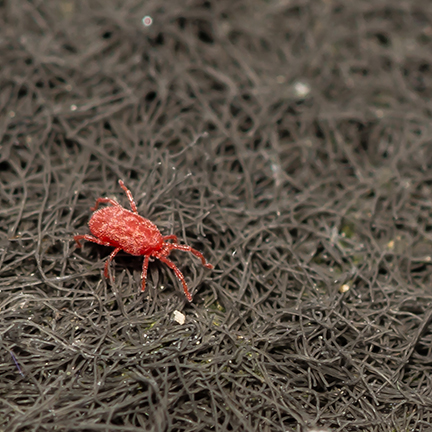
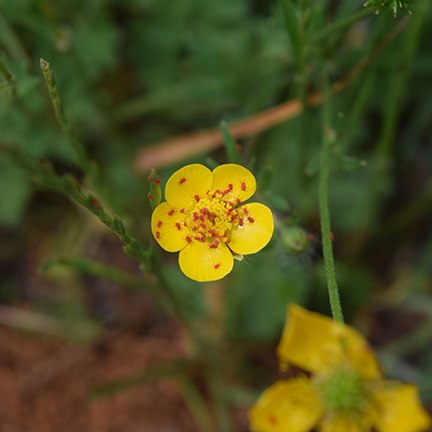
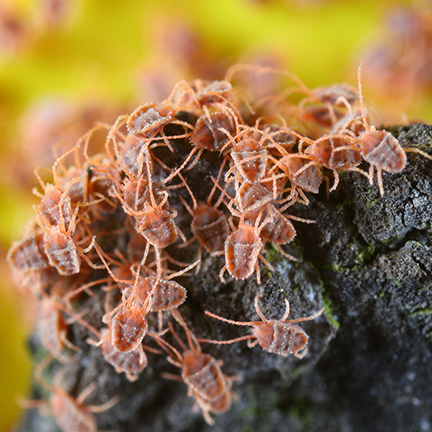
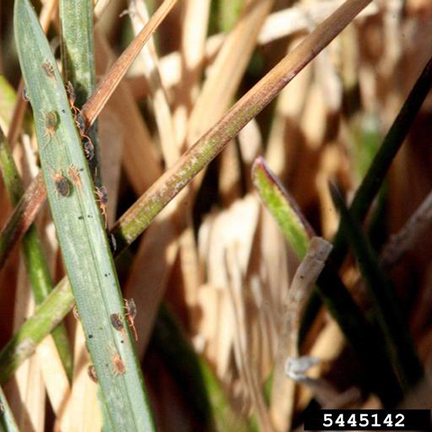
Photo credit: Whitney Cranshaw, Colorado State University, Bugwood.org (CC-BY-3.0 US)
Related Articles
Is this not your insect?
